REDEFINING SOCIAL SPACES THROUGH CANNABIS CULTURE
traditional social clubs—historically exclusive spaces for the elite—are fading. the modern era demands something more democratic, more inclusive, and significantly more creative than the tired models of the past.
the shift in standards
old model: exclusionary wealth, restricted access, transactional networking, and static environments.
new model: value-based entry, diverse community, progressive ideologies, and connection as a genuine experience.
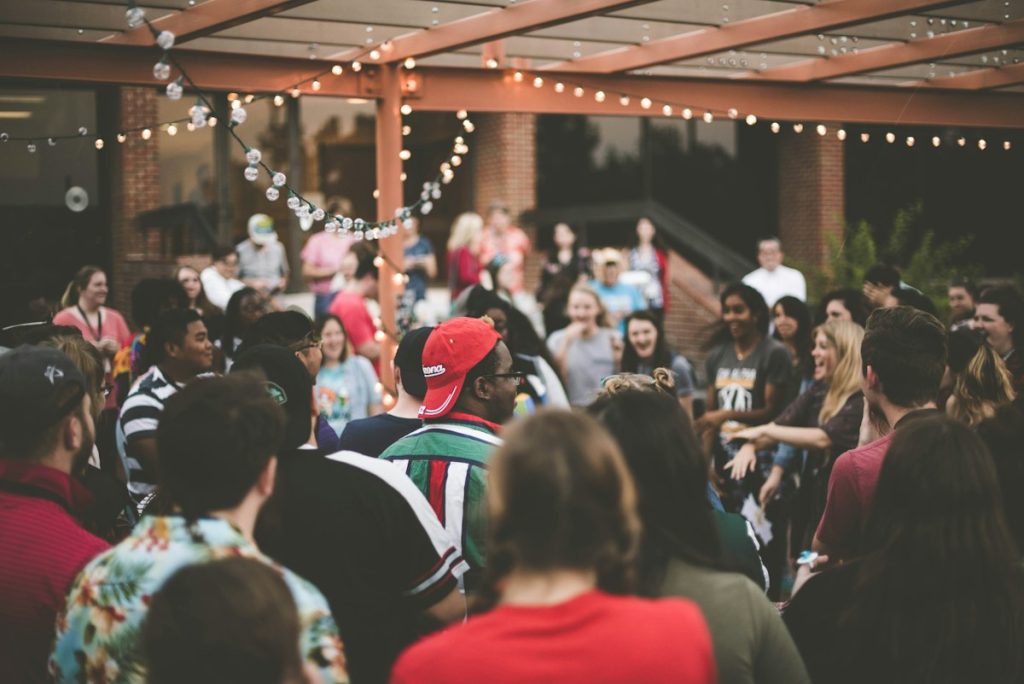
we lean into this new model. membership is defined not by social status but by a shared appreciation for creativity, curiosity, and mutual respect.
the third space
sociologist ray oldenburg defined the 'third place' as an essential environment outside the home and the workplace. these spaces—cafes, community centers, and now, modern cannabis clubs—are vital for mental health and social cohesion.
cannabis clubs serve as sophisticated third places by offering:
consistent, organic social engagement
a sense of belonging among peers
an environment free from the pressures of work or domestic tasks
a neutral ground for creative exchange
- consistent, organic social engagement
- a sense of belonging among peers
- an environment free from the pressures of work or domestic tasks
- a neutral ground for creative exchange
what defines a modern social space
- intentional design — viewing the physical environment as a vital part of the cultural experience.
- curated programming — hosting workshops, art screenings, and discussions that keep the community engaged.
- community-first mindset — prioritizing the collective over individual transactions.
- inclusive values — building a tribe based on intellectual and social resonance.
looking forward
as modern cities struggle with isolation, these lounges provide a blueprint for the future of urban social architecture.
related reading
cannabis creativity research
cannabis tourism in barcelona
- cannabis creativity research
- cannabis tourism in barcelona